Summer Pet Safety: Preventing Heatstroke in Staten Island Dogs and Cats
Summer Pet Safety: Preventing Heatstroke in Staten Island Dogs and Cats
As the heat and humidity of summer descend on Staten Island, pet owners often find themselves worrying about how to keep their dogs and cats safe from the dangers of overheating. Heatstroke is a serious and potentially life-threatening condition that can affect pets quickly, especially during the sweltering days of July and August. At Dongan Hills Veterinary Practice & Integrative Wellness Center, located at 289 Dongan Hills Avenue, Staten Island, NY 10305-2205, our team of veterinarians is committed to helping you recognize, prevent, and manage heatstroke in your pets. In this guide, we will explore the symptoms of heatstroke in dogs and cats, discuss what causes pets to overheat, review treatment options, share prevention strategies for your home and outings, and explain when to seek veterinary care. We will also touch on integrative and holistic approaches that can support your pet’s comfort and health during the hottest months.
If you are concerned about your pet’s risk or notice any signs of distress, we encourage you to schedule an appointment with our veterinary team. Our clinic proudly serves Staten Island and surrounding communities, providing both general veterinary care and integrative wellness options. To learn more about our approach to comprehensive physical exams for dogs and cats, continue reading for essential summer safety tips.
Recognizing Heatstroke in Dogs and Cats
Understanding the warning signs of heatstroke is the first step in protecting your pet during Staten Island’s humid summer weather. Heatstroke can develop rapidly, and early intervention is crucial for a positive outcome. Key symptoms in dogs and cats include excessive panting that does not resolve with rest, drooling, weakness, red or pale gums, vomiting, diarrhea, and, in severe cases, collapse or seizures. You may also notice your pet seeking cool surfaces, acting confused, or breathing with an open mouth. In cats, signs can be subtler, such as restlessness, rapid breathing, or hiding.
It is especially important to watch for these symptoms in pets that are brachycephalic (short-nosed breeds like Bulldogs or Persians), elderly, overweight, or those with underlying medical conditions. Even a short time in a hot, poorly ventilated space, such as a parked car or a sun-exposed yard, can trigger a dangerous rise in body temperature. If you observe any of these signs, prompt action and veterinary evaluation are essential.
Why Heatstroke Happens: Causes and Risk Factors
Heatstroke occurs when your pet’s body is unable to dissipate heat effectively, leading to a dangerous increase in core temperature. Unlike humans, dogs and cats do not sweat through their skin; they primarily cool themselves through panting and, to a lesser extent, sweating through their paw pads. On humid summer days in Staten Island, the air is often saturated with moisture, making it harder for pets to lose heat through evaporation.
Common scenarios that put pets at risk include being left in a vehicle, even with the windows cracked; vigorous exercise during peak heat hours; lack of access to shade or water; and confinement in hot indoor spaces without adequate ventilation. Certain breeds, such as Bulldogs, Pugs, Shih Tzus, and Persian cats, are more susceptible due to their facial structure. Age, weight, and chronic illnesses such as heart disease or respiratory conditions can also elevate risk.
Environmental factors unique to our local area, like the urban heat island effect and high humidity, can make summer days particularly challenging for pets. Being mindful of these conditions and adjusting your pet’s activities accordingly can significantly reduce the risk of heatstroke.
Professional Treatment for Heatstroke: What to Expect
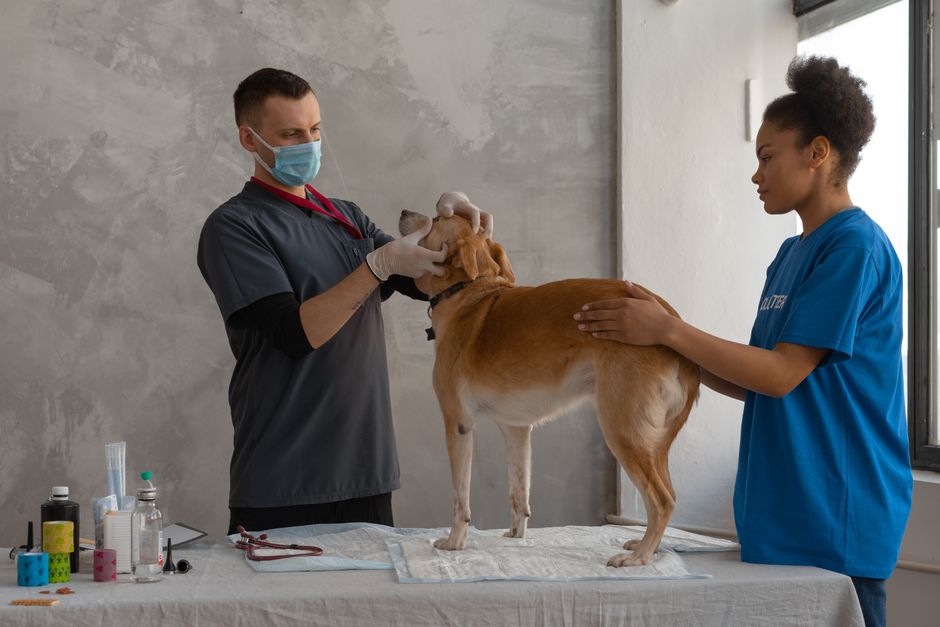
If you suspect that your dog or cat is suffering from heatstroke, immediate action is vital. Begin by moving your pet to a cool, shaded area and offering small amounts of water. However, professional veterinary care is necessary to address the potentially life-threatening complications of heatstroke. Upon arrival at our clinic, your pet will be assessed for dehydration, organ dysfunction, and shock. Treatment approaches involve controlled cooling with room-temperature water, intravenous fluid therapy to restore hydration and support organ function, and monitoring for complications such as kidney injury, blood clotting abnormalities, or neurological issues.
Our veterinary team at Dongan Hills Veterinary Practice & Integrative Wellness Center is equipped to provide rapid intervention for heatstroke and its complications. In severe cases, advanced diagnostics and hospitalization may be required. Early and aggressive management can make a critical difference in your pet’s recovery and long-term health.
For those interested in holistic support, our integrative wellness center offers complementary therapies that may assist in your pet’s overall comfort and healing during recovery. These options are always used alongside, not in place of, essential conventional treatments. To explore these services, visit our page on integrative medicine and holistic care services for pets.
Preventing Heatstroke: Home and Lifestyle Strategies
Prevention is the most effective way to safeguard your pet against heatstroke during the summer months. The foundation of prevention is providing constant access to fresh, cool water and ensuring that your dog or cat always has a shady, well-ventilated area to rest. On particularly hot and humid days, it is best to limit walks and outdoor play to early morning or late evening when temperatures are lower. Indoors, use fans or air conditioning to maintain a comfortable environment.
Never leave your pet unattended in a parked car, even for a few minutes, as temperatures can rise dangerously fast. For dogs that enjoy outdoor activities, consider cooling vests, shaded walks, and frequent breaks. Cats may benefit from frozen water bottles wrapped in towels or cooling mats placed in their favorite resting spots. Grooming can also play a role; keeping your pet’s coat clean and free of mats helps air circulate and aids in natural heat loss, but avoid shaving breeds that rely on their fur for sun protection.
Integrative approaches, such as acupuncture, gentle herbal remedies, and stress reduction strategies, can further support your pet’s resilience during the summer. Our veterinarians can advise on safe, evidence-based options tailored to your pet’s specific needs during a general veterinary care consultation.
When to Seek Veterinary Care for Heatstroke in Pets
Knowing when to seek immediate veterinary care can save your pet’s life. If your dog or cat displays signs such as persistent panting, drooling, vomiting, diarrhea, unsteadiness, or collapse during hot weather, do not delay in contacting a veterinarian. Heatstroke can progress rapidly, leading to irreversible organ damage. While initial cooling efforts at home are helpful, only a veterinary team can fully assess and treat the complications associated with overheating.
At Dongan Hills Veterinary Practice & Integrative Wellness Center, we encourage pet owners in Staten Island and nearby communities to reach out at the first sign of trouble. Our clinic offers both emergency care and comprehensive exams to address urgent and ongoing concerns. If you are unsure whether your pet’s symptoms warrant a visit, err on the side of caution and call us at (718) 987-7777 for guidance.
Integrative and Holistic Support for Summer Pet Health
Many pet owners in Staten Island are curious about natural and integrative approaches to keeping their dogs and cats healthy during the summer. Our wellness center within Dongan Hills Veterinary Practice provides options such as acupuncture, herbal medicine, and nutritional counseling, which can play a supporting role in your pet’s comfort and recovery. Integrative therapies are designed to complement conventional veterinary medicine, not replace it, and are always tailored to your pet’s unique health profile.
For example, acupuncture may assist with stress reduction and circulation, while herbal remedies can be considered for pets with mild anxiety or those prone to summer allergies. Nutritional adjustments, such as adding hydrating foods or specific supplements, may further support your pet’s cooling mechanisms. Our holistic veterinarians are happy to discuss these options during a preventative health and wellness care visit.
Staying Prepared: Summer Pet Safety in Staten Island
Summer in Staten Island brings plenty of opportunities for outdoor fun, but it also requires vigilance and proactive care to keep your pets safe. By learning to recognize the signs of heatstroke, understanding risk factors, and implementing prevention strategies, you can help your dog or cat enjoy the season in comfort. Remember, quick action and a strong partnership with your local veterinary team are your best tools for protecting your pet’s health.
If you have any concerns about your pet’s well-being during the heat, or if you would like to schedule a wellness evaluation, the veterinarians at Dongan Hills Veterinary Practice & Integrative Wellness Center are here to help. Our team offers both conventional and integrative care options, designed to support your pet’s whole health year-round. To book an appointment or discuss your pet’s needs, call us at (718) 987-7777 or visit us at 289 Dongan Hills Avenue, Staten Island, NY 10305-2205.
When searching for a veterinarian near me who truly understands the needs of Staten Island pets, look no further than our experienced and compassionate team. Together, we can make this summer a safe and happy one for your furry companions.
If your pet is experiencing a medical emergency, please seek immediate veterinary attention. The advice provided here is for informational purposes only and should not replace a professional veterinary examination.