How Cold Weather Affects Dog and Cat Joints in Staten Island


How Cold Weather Affects Dog and Cat Joints in Staten Island
As the chill of November sets in across Staten Island, many pet owners notice their dogs and cats moving a bit more slowly, especially on damp, cold mornings. It’s not just your imagination; cool, wet autumn weather can have a real impact on joint health and comfort for pets of all ages. At Dongan Hills Veterinary Practice & Integrative Wellness Center, located at 289 Dongan Hills Avenue, Staten Island, NY 10305-2205, we help families in Staten Island and surrounding communities navigate these seasonal changes and keep their pets comfortable year-round.
In this blog, we’ll explain why cold weather can make joint issues more noticeable in dogs and cats, share signs to watch for, and offer both traditional and integrative tips for supporting mobility at home. We’ll also guide you on when it’s time to schedule a veterinary visit and how our team can help, whether your pet needs a comprehensive physical exam, advanced diagnostics, or holistic therapies. Read on for expert advice and actionable steps to keep your pet active, happy, and pain-free throughout the autumn and winter months.
Recognizing Joint Discomfort in Dogs and Cats During Cold Weather
When temperatures drop, you may notice subtle changes in your pet’s behavior or movement. Joint discomfort often presents differently in dogs and cats, but the core signs are similar. Common symptoms include hesitancy to get up or lie down, a stiff or awkward gait when first waking up, and difficulty with stairs or jumping onto furniture. Additionally, some pets may lick or chew at sore joints, seem less interested in play, or become more irritable when touched.
In cats, joint stiffness is often mistaken for “slowing down with age.” You might observe your cat hesitating before jumping onto a favorite perch, using low surfaces instead of higher ones, or missing the litter box because squatting is uncomfortable. For dogs, reluctance to go on walks, lagging behind during usual routes, or struggling to climb into the car are all red flags. If you see your dog limping, favoring one leg, or showing muscle loss around the hips or shoulders, these can signal more advanced changes.
It’s important to remember that pets are experts at hiding pain; even subtle shifts in routine or personality may be early indicators of joint issues. If you’re unsure whether your pet’s changes are weather-related or a sign of something more serious, a comprehensive physical examination is the best place to start.
Why Does Cold, Damp Weather Worsen Joint Symptoms?
Colder weather can make joint discomfort more noticeable in pets for several reasons. When temperatures drop, the fluid within joints can become less viscous, making movement feel stiffer and more challenging, especially first thing in the morning or after a nap. Additionally, damp conditions common in Staten Island’s fall and winter can aggravate inflammation, further reducing flexibility and increasing discomfort in pets with arthritis or underlying joint conditions.
Older pets, large breed dogs, and those with a history of injuries or orthopedic surgery are often more sensitive to these changes. Cats with previous fractures or chronic conditions like hip dysplasia may become more withdrawn or inactive as the cold sets in. Weight is another significant factor; overweight pets place extra stress on their joints, making them more susceptible to seasonal discomfort.
It’s also worth noting that pets tend to be less active during colder months, which can lead to muscle loss and joint stiffness. Reduced daylight means fewer walks or outdoor play sessions, so maintaining movement and a healthy weight becomes even more important when the weather turns cold.
Treatment and Management: Supporting Your Pet’s Comfort and Mobility
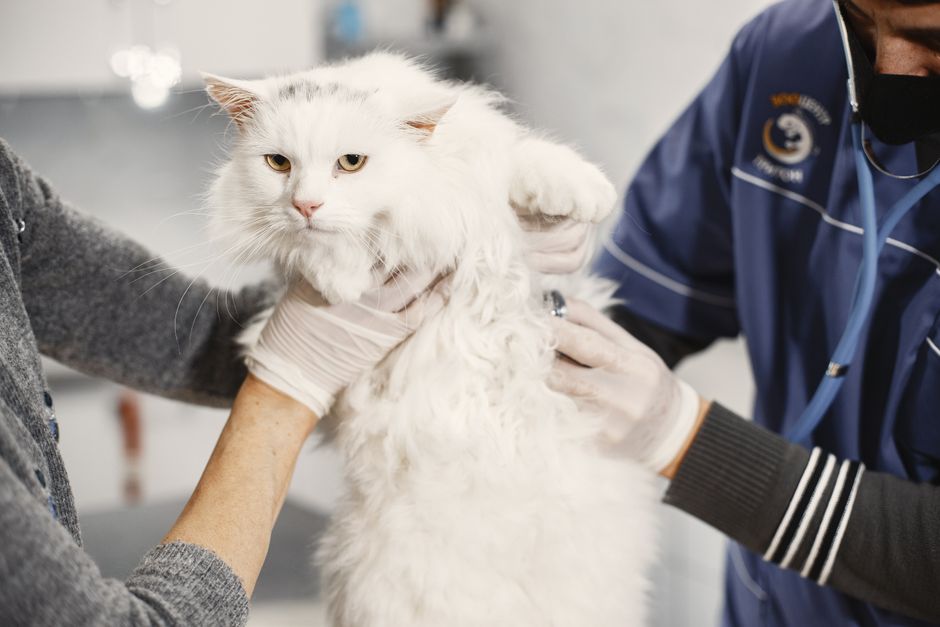
If your dog or cat is showing signs of joint discomfort, the first step is a thorough veterinary evaluation. At Dongan Hills Veterinary Practice & Integrative Wellness Center, our team of veterinarians uses a combination of physical examination, advanced diagnostics, and integrative therapies to develop a personalized plan for each pet.
Our digital radiology services allow us to visualize bones and joints, identify signs of arthritis or injury, and monitor changes over time. Depending on your pet’s needs, we may recommend conventional treatments such as anti-inflammatory medications, joint supplements like glucosamine and chondroitin, or prescription diets designed to support joint health.
We also offer a full range of integrative and holistic veterinary care for pets who may benefit from alternative therapies. Acupuncture, for example, can help relieve discomfort, improve mobility, and support healing by stimulating specific points in the body. Laser therapy is another non-invasive option that uses focused light to reduce inflammation and promote tissue repair, offering relief for pets struggling with joint pain. Our wellness center team may also recommend herbal medicine, nutritional guidance, or physical rehabilitation exercises tailored to your pet’s condition.
No matter which approach is right for your pet, our goal is always to maximize comfort and maintain quality of life—especially during the colder months.
Integrative Approaches for Joint Health
Many families in Staten Island are seeking integrative strategies for long-term joint health. Combining conventional veterinary care with holistic therapies can be especially helpful for pets with chronic arthritis or stiffness that worsens in cold weather. Acupuncture and laser therapy are safe, well-tolerated options that can be used alongside standard medications or as alternatives for pets who cannot tolerate certain drugs.
Nutritional counseling is another cornerstone of our integrative approach. Maintaining a healthy weight reduces stress on joints, while specific supplements and diets can provide building blocks for cartilage and connective tissue repair. If you have questions about which supplements or holistic therapies might be right for your pet, our team is happy to discuss options during your pet’s next visit.
Home Care and Prevention: Keeping Pets Comfortable Through Staten Island’s Cold Months
While professional veterinary care forms the foundation of joint health, there is much you can do at home to help your pet feel comfortable during the autumn and winter. Creating a warm, draft-free sleeping area is essential; consider providing orthopedic beds or blankets in your pet’s favorite resting spots. Ramps or pet stairs can make it easier for pets to access furniture or vehicles without jumping, reducing impact on sore joints.
Regular, gentle exercise keeps muscles strong and joints flexible. For dogs, shorter but more frequent walks on dry days can prevent stiffness without overexertion. Indoor play sessions using interactive toys are great for both dogs and cats when the weather is too harsh for outdoor activity. Warm compresses applied to sore joints may offer temporary relief, but always check with your veterinarian before trying new remedies.
Nutritional support is equally important. Feeding a balanced diet and managing your pet’s weight can slow the progression of joint changes and minimize discomfort. If your pet is overweight, our veterinary professionals can help you develop a safe weight loss plan. For pets already on joint supplements, consistency is key; results are often seen after several weeks of continuous use.
Environmental modifications make a big difference during colder months. Keep litter boxes and food dishes in easily accessible locations for cats with mobility issues, and use rugs or non-slip mats to provide secure footing on slippery floors.
When to Seek Veterinary Care for Joint Issues
While home care can make a significant difference, certain situations require prompt veterinary attention. If your pet shows sudden or severe lameness, persistent pain, loss of appetite, or a decrease in activity that lasts more than a few days, it’s time to schedule an appointment. Other red flags include swelling around a joint, yelping or hissing when touched, or complete refusal to bear weight on a limb.
Sometimes, joint pain can mask more serious conditions, such as ligament tears, bone infections, or even cancer. Our team’s expertise, along with advanced diagnostics like digital radiology, ensures that underlying causes are identified and addressed promptly. Early intervention can slow disease progression, prevent complications, and improve your pet’s quality of life.
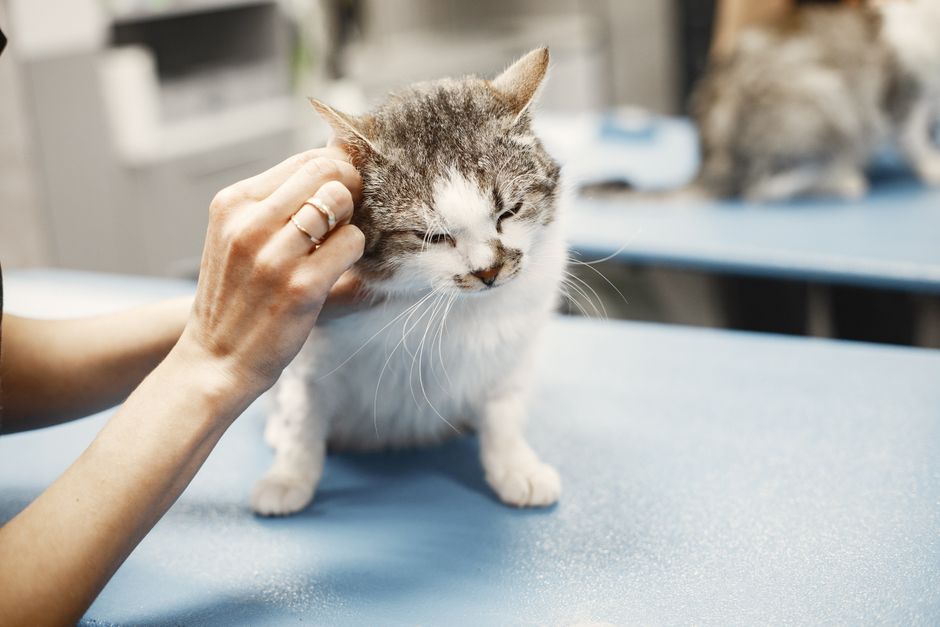
If you are unsure whether your pet’s symptoms are weather-related or require medical attention, a comprehensive physical examination provides valuable peace of mind. Our veterinarians will assess mobility, evaluate joint health, and guide you through next steps—whether that involves further testing, a new management plan, or integrative therapies tailored to your pet’s unique needs.
Keeping Your Pet Comfortable: Compassionate Care at Dongan Hills Veterinary Practice
As autumn’s chill settles over Staten Island, taking proactive steps to support your pet’s joint health can make all the difference in their comfort and happiness. Recognizing early signs of stiffness, maintaining regular activity, and creating a cozy home environment all contribute to better mobility through the cold months. Integrative veterinary care, including therapies like acupuncture and laser treatments, offers additional options for pets who need extra support.
If you notice your dog or cat struggling with joint discomfort this season, our team of veterinarians at Dongan Hills Veterinary Practice & Integrative Wellness Center is here to help. We encourage you to schedule an appointment for a thorough evaluation or to discuss integrative treatment options that may benefit your pet. When searching for a veterinarian near me, look for a practice that offers both comprehensive medical care and integrative wellness solutions for dogs and cats.
Contact us today at (718) 987-7777 or visit us at 289 Dongan Hills Avenue, Staten Island, NY 10305-2205 to schedule your pet’s next visit. You can also explore our integrative and holistic veterinary care or ask about our comprehensive physical exams to keep your dog or cat comfortable and active all year long.
The information in this blog is intended for educational purposes and should not replace professional veterinary advice. Always consult your veterinarian for specific concerns about your pet’s health or before beginning any new treatment.