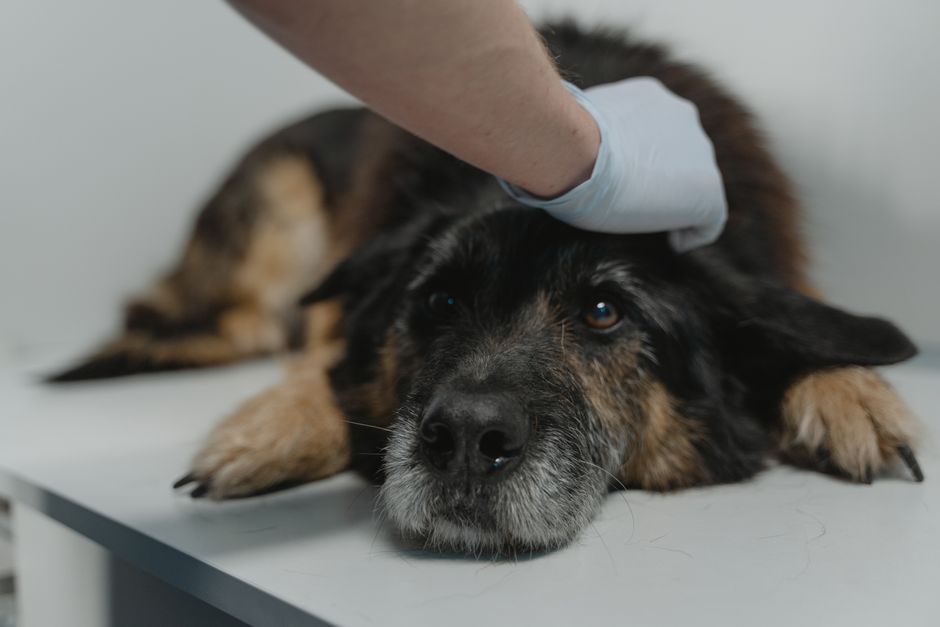
Managing Summer Allergies in Staten Island Dogs and Cats

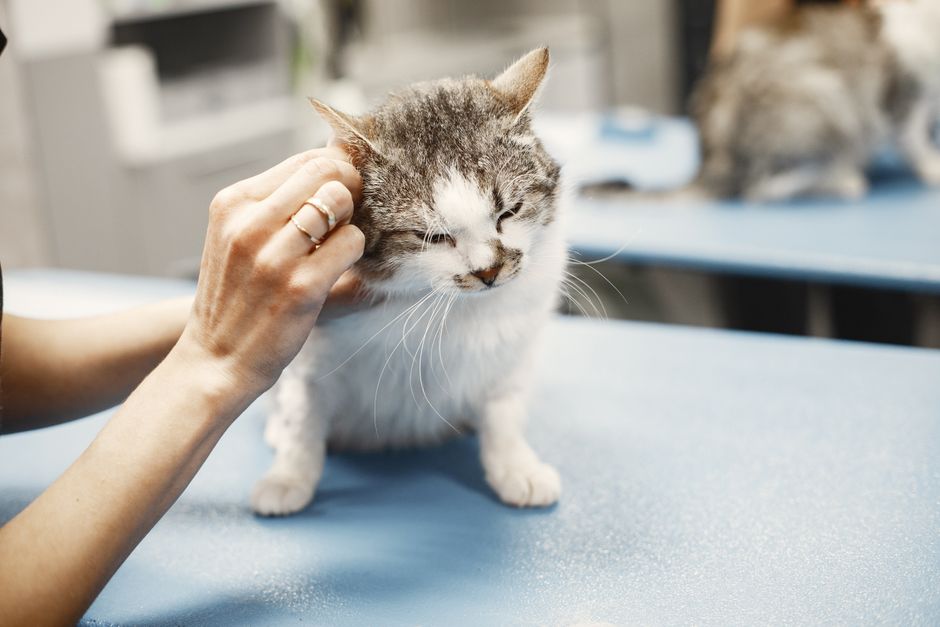
Managing Summer Allergies in Staten Island Dogs and Cats
Summer in Staten Island brings plenty of sunshine, outdoor adventures, and—unfortunately for many pets—seasonal allergies. If you notice your dog or cat scratching, sneezing, or losing fur as the temperatures rise, you are not alone. Many pet owners in our community struggle to keep their companions comfortable during allergy season. At Dongan Hills Veterinary Practice & Integrative Wellness Center, located at 289 Dongan Hills Avenue, Staten Island, NY 10305-2205, our team of veterinarians offers both conventional and holistic approaches to diagnosing and managing allergies in dogs and cats. In this blog, we will explain how to spot signs of summer allergies in your pets, explore what causes them, and discuss a range of treatment options—including integrative therapies designed to support your pet’s comfort and wellbeing. Whether you live in Dongan Hills or a surrounding community, our goal is to help you and your pet enjoy a healthier, itch-free summer.
Recognizing the Signs of Summer Allergies in Dogs and Cats
Seasonal allergies can manifest in many ways, and the signs may differ from those you would expect in people. Dogs and cats are more likely to experience skin-related symptoms than respiratory issues, although both can occur. Common signs that your pet may be suffering from summer allergies include persistent scratching, licking, or chewing at the skin, which often leads to redness, hair loss, or even open sores. You might also notice frequent ear infections, shaking of the head, or a musty odor coming from your pet’s coat. In some cases, allergies can trigger sneezing, watery eyes, or a runny nose.
Cats in particular may develop small scabs or bumps on their skin, especially around the neck and back. Dogs, on the other hand, may develop “hot spots”—localized areas of inflamed, moist skin that can worsen rapidly in warm weather. If your pet is suddenly less interested in playing, seems restless at night, or grooms excessively, these behavioral changes could be related to allergy discomfort. It is important to remember that every pet is unique; some dogs and cats may only show mild symptoms, while others can become quite uncomfortable.
Understanding the Causes of Summer Allergies in Staten Island Pets
Summer allergies in pets are typically caused by environmental allergens that become more prevalent during the warmer months. Pollen from trees, grasses, and weeds is a leading culprit, especially when Staten Island’s parks and yards are in full bloom. Mold spores, dust mites, and even flea bites can also trigger allergic reactions in sensitive dogs and cats.
In our humid climate, outdoor allergens can easily make their way indoors on shoes, clothing, or through open windows. Pets that spend time outside may also come into contact with chemical irritants like lawn treatments or pesticides, further aggravating their symptoms. Additionally, flea allergy dermatitis—a hypersensitivity to flea saliva—is extremely common in dogs and cats and can cause intense itchiness, even from just a single bite.
Some pets are genetically predisposed to developing allergies, while others may develop sensitivities later in life. It is also possible for food allergies to present with similar skin and ear symptoms, although these are less likely to be seasonal. Our veterinary team often recommends thorough diagnostic testing to distinguish between environmental and food-related causes, ensuring your pet receives the most effective care. For more details about allergy diagnostics, visit our page on allergy testing for dogs and cats.
Treatment and Management Options: Conventional and Integrative Approaches
Helping your pet find relief from summer allergies requires a tailored treatment plan. At Dongan Hills Veterinary Practice & Integrative Wellness Center, we believe in combining the best of traditional medicine with holistic, integrative therapies for a comprehensive approach.
Conventional Veterinary Treatments
Standard treatments for seasonal allergies often begin with medications that reduce itching and inflammation. These may include antihistamines, corticosteroids (used cautiously for short periods), or newer medications that specifically target allergic pathways in the body. Prescription topical sprays or shampoos can help soothe irritated skin, while regular ear cleaning may prevent or resolve infections linked to allergies. Managing fleas with effective preventatives is crucial, as even indoor pets can be at risk during the summer months.
If your pet’s symptoms persist, our veterinary team may recommend immunotherapy—customized allergy shots or oral drops formulated based on your pet’s specific sensitivities. This approach can help desensitize your pet’s immune system over time, leading to fewer and less severe reactions.
Integrative and Holistic Care
For families seeking alternative or complementary therapies, our integrative wellness center offers a range of options. Acupuncture has been shown to reduce itching and support overall immune balance, while laser therapy can help heal inflamed skin and promote comfort. Herbal medicine, tailored to your pet’s unique constitution, may provide additional relief for allergy symptoms. Nutritional support is another essential aspect; our team can advise on personalized diet formulation to strengthen your pet’s skin barrier and reduce inflammation naturally.
We often find that an integrative plan—combining conventional treatments with holistic therapies—produces the best results for pets dealing with seasonal allergies. To learn more about these options, explore our integrative medicine and holistic care services.
Preventing and Managing Allergies at Home
While veterinary care is essential for diagnosing and treating allergies, there are many steps you can take at home to help your pet stay comfortable. Regular bathing with a gentle, hypoallergenic shampoo can remove pollen and other allergens from your pet’s coat, reducing skin irritation. Wiping your dog’s paws after walks and keeping your cat indoors during high pollen days can also limit exposure to triggers.
Vacuuming frequently, washing bedding in hot water, and using air purifiers may help decrease indoor allergens. For pets with known flea allergies, maintaining a strict flea control regimen throughout the summer is vital. Avoiding chemical lawn treatments and opting for pet-safe alternatives can further reduce the risk of skin flare-ups. If your pet’s allergies are food-related, our veterinarians can help guide an elimination diet to identify potential triggers.
Supporting your pet’s immune health with a balanced diet, regular exercise, and stress reduction techniques—such as enrichment toys for cats or calm walks for dogs—may also help minimize allergy symptoms. In some cases, herbal supplements or omega-3 fatty acids can provide additional anti-inflammatory benefits, but these should always be discussed with your veterinarian first.
When to Seek Veterinary Care for Your Pet’s Allergies
Some mild allergy symptoms may be manageable at home, but it is important to know when professional care is necessary. If your pet’s itching leads to open sores, hair loss, or persistent discomfort, a veterinary visit is warranted. Signs that require prompt attention include frequent ear infections, sudden changes in appetite or behavior, or any signs of swelling, difficulty breathing, or severe lethargy.
Chronic or recurrent symptoms should always be evaluated by a veterinarian to prevent secondary infections and improve your pet’s quality of life. Our veterinarians at Dongan Hills Veterinary Practice & Integrative Wellness Center offer comprehensive physical exams and advanced diagnostics to pinpoint the cause of your pet’s allergies and develop a customized treatment plan. Early intervention can make a significant difference in your pet’s comfort and long-term health.
If you are unsure whether your pet’s symptoms warrant a visit, our team is always available to discuss your concerns and guide you on next steps.
Supporting Your Pet Through Allergy Season in Staten Island
Summer allergies are a common but manageable challenge for dogs and cats in Staten Island. By staying alert to symptoms, minimizing exposure to allergens, and working closely with your veterinary team, you can help your pet enjoy the warmer months with fewer discomforts. At Dongan Hills Veterinary Practice & Integrative Wellness Center, we are committed to providing a full spectrum of care—including conventional medicine and integrative therapies—tailored to your pet’s needs.
If you are searching for a compassionate vet near me to help with summer allergies or want to explore holistic options for your pet, our team is here to help. Schedule an appointment at our Dongan Hills Avenue location or call us at (718) 987-7777 to discuss your pet’s symptoms. For more information on our preventive health programs or to learn how integrative care can support your pet during allergy season, visit our pages on preventative health and integrative medicine and holistic care.
Let us partner with you to keep your pets happy, healthy, and itch-free all summer long. If you have questions about allergy management or would like to schedule a consultation, our veterinary professionals are just a call or click away.