Integrative Cold Weather Prep for Staten Island Pets
Integrative Cold Weather Prep for Staten Island Pets
As autumn’s crisp air settles in across Staten Island, many pet owners begin to wonder how to best support their dogs and cats through the seasonal change. Cooler temperatures, shorter days, and fluctuating humidity can all impact your pet’s comfort and health, sometimes in ways that are easy to overlook. At Dongan Hills Veterinary Practice & Integrative Wellness Center, located at 289 Dongan Hills Avenue, Staten Island, NY 10305-2205, our team of veterinarians understands the unique needs of local pets as the weather cools. This guide will walk you through practical, integrative strategies to keep your dog or cat healthy and comfortable throughout the fall. We will cover signs your pet might be struggling with the seasonal shift, discuss why these issues occur, share both traditional and holistic wellness tips, and clarify when it’s time to schedule an appointment. Whether your companion prefers cozying up indoors or enjoys autumn walks in the park, you’ll find actionable advice for fall pet wellness right here.
Recognizing Cold Weather Concerns in Dogs and Cats
Autumn may bring vibrant leaves and festive outings, but it can also introduce new health challenges for pets. Dogs and cats often show subtle signs when cooler weather is affecting their wellbeing. Key symptoms include changes in energy level, such as sleeping more or seeming less enthusiastic about walks. You might notice dry or flaky skin, increased shedding, or itchiness that was not present during the summer. Some pets develop joint stiffness, particularly older dogs and cats or those with known arthritis. Cats may seek out warmer spots to nap, while dogs could start limping after outdoor play.
Additionally, pets with chronic illnesses, such as heart or respiratory conditions, can be more sensitive to temperature changes. Watch for signs like coughing, labored breathing, or reduced stamina during exercise. Digestive issues, including subtle changes in appetite or stool quality, may also surface as routines shift with the weather. If your pet is shivering indoors, changes posture to conserve heat, or refuses to go outside for bathroom breaks, these are further indications the chill is having an impact. Early recognition of these signs gives you the chance to seek guidance and prevent more serious health concerns.
Why Staten Island Pets Feel the Chill: Understanding Contributing Factors
The transition from warm summer days to brisk autumn evenings in Staten Island brings more than just a drop in temperature. Fluctuating humidity can dry out skin and nasal passages, making pets more prone to itching, flaking, and even secondary infections. The shorter daylight hours may reduce your pet’s activity level, contributing to weight gain or joint stiffness if exercise routines are not adjusted. Many homes begin using indoor heating during fall, which can exacerbate dryness and worsen some allergies.
Certain breeds and individual pets are also more vulnerable to cold weather. Small dogs, seniors, and thin-coated breeds often feel the chill sooner than larger or double-coated pets. Cats, especially those who spend time outdoors, may be exposed to sudden temperature drops or cold, damp surfaces. For pets with chronic conditions like arthritis, cooler weather can lead to increased discomfort or reluctance to move. Even pets that seem healthy can experience subtle changes as the seasons shift, so being proactive with preventive care is crucial.
Autumn also brings environmental changes such as mold, decaying leaves, and higher levels of dust indoors, all of which can trigger allergies or respiratory flare-ups in sensitive pets. Additionally, the festive season can disrupt routines, bring new foods into the home, and increase the risk of accidental ingestion or stress-related behaviors.
Integrative and Traditional Approaches to Fall Pet Wellness
When it comes to keeping your pet comfortable and healthy during the cooler months, a blend of traditional veterinary medicine and integrative wellness strategies can offer comprehensive support. At Dongan Hills Veterinary Practice & Integrative Wellness Center, our approach combines the best of both worlds to help your pet adapt to seasonal changes.
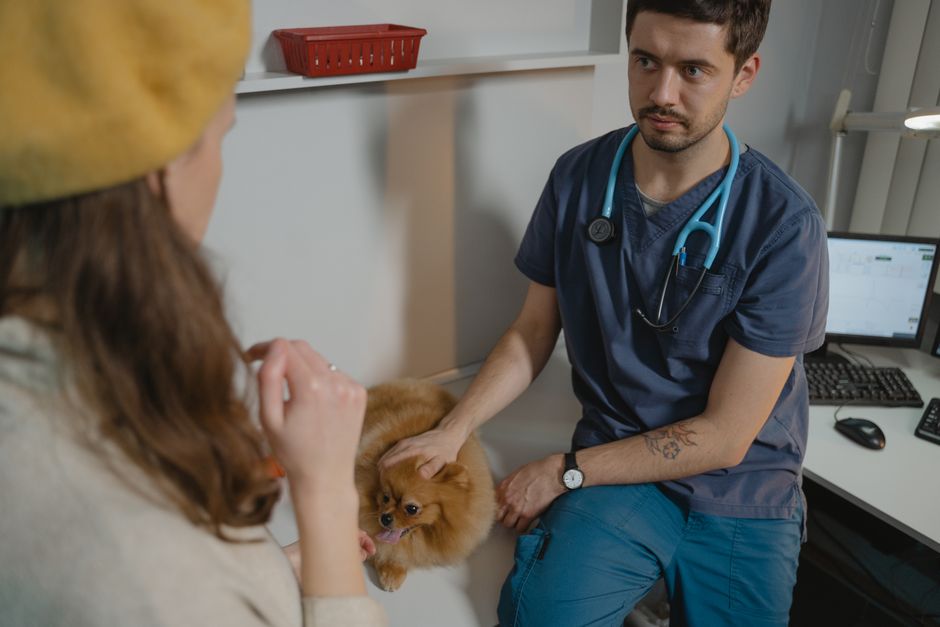
Routine veterinary care remains the cornerstone of autumn health. Scheduling a comprehensive pet exam is the first step to assess your pet’s baseline health and address any emerging issues before they escalate. During these visits, our team may recommend updated vaccination services to protect against seasonal illnesses, especially for pets who spend time outdoors or socialize with other animals.
For pets with allergies or unexplained skin issues, allergy testing can help pinpoint triggers that become more prominent in the fall. Integrative options such as acupuncture, herbal medicine, or laser therapy may be suggested to manage joint pain, boost immune function, or ease chronic discomfort. Nutritional support is also vital; our veterinarians can recommend personalized diet formulation to address your pet’s unique needs as their metabolism or activity level shifts with the season.
Some pets benefit from supplements like omega-3 fatty acids for skin and joint health, while others may thrive with tailored exercise routines or enrichment activities designed for cooler weather. Our integrative wellness center can offer guidance on safe, natural therapies to complement your pet’s traditional care plan. The goal is to create a holistic, individualized strategy that helps your pet transition smoothly into autumn and beyond.
Home Care Tips to Keep Your Pet Comfortable This Fall
Many adjustments can be made at home to support your pet’s wellness as the cooler months arrive. Begin by ensuring your dog or cat has warm, draft-free resting areas away from cold floors or windows. Soft bedding, heated pet mats, or cozy blankets can make a significant difference, especially for older animals or those with thin coats. Regular grooming helps maintain healthy skin and coat, removing dead hair and distributing natural oils to combat dryness.
Hydration is just as important in autumn as it is in summer. Make sure fresh water is always available, and consider adding a pet-safe humidifier to rooms where your companion spends most of their time. For pets with sensitive skin or allergies, wiping down paws and fur after outdoor excursions can reduce exposure to mold or pollen that accumulates on fallen leaves.
Adjust your pet’s exercise routine to suit the weather. Shorter but more frequent walks, indoor play sessions, or interactive toys can help maintain muscle tone and mental stimulation when it is too chilly for extended outdoor activity. Monitor your pet’s weight and body condition closely during this time, as decreased activity and holiday treats can quickly lead to unwanted weight gain.
Nutrition should not be overlooked. Discuss seasonal dietary needs with your veterinarian, especially if your pet has existing health concerns or is entering their senior years. Some pets may require calorie adjustments, joint support supplements, or specific nutrients to stay comfortable throughout autumn. Our integrative and holistic care services are available to help you craft a complete wellness plan for your companion.
When to Schedule a Veterinary Visit
While many pets glide through the fall with only minor adjustments, certain signs should prompt you to contact your veterinarian. Schedule an appointment if your pet experiences persistent lethargy, appetite changes, coughing, sneezing, or any difficulty breathing. Unexplained limping, reluctance to move, or obvious discomfort after activity should not be ignored, as these could indicate worsening arthritis or injury exacerbated by the cold.
Skin issues that do not resolve with routine home care, such as persistent dryness, redness, or sores, warrant professional evaluation. If your dog or cat is shivering indoors, seeks heat constantly, or shows signs of confusion or disorientation, these may be early indicators of more serious hypothermia or underlying health conditions.
Pets with chronic diseases, like diabetes, heart disease, or kidney issues, often need closer monitoring as the seasons shift. The fall is an ideal time to reassess medications, review lab work, and update preventive care to ensure your pet remains stable throughout the winter. Our general veterinary care team is here to support you with thorough evaluations and personalized recommendations.
Remember, timely intervention helps prevent minor issues from becoming major concerns. Never hesitate to reach out if you notice changes that worry you, even if they seem subtle. Our veterinarians are always happy to offer guidance and peace of mind.
Your Partner in Fall Wellness: Dongan Hills Veterinary Practice & Integrative Wellness Center
As autumn unfolds across Staten Island and surrounding communities, your pet’s health and happiness remain our top priority. By combining traditional veterinary medicine with integrative wellness options, we help your dog or cat thrive no matter the season. Whether you are concerned about seasonal allergies, joint stiffness, or simply want expert advice on adjusting routines for cooler weather, our team at Dongan Hills Veterinary Practice & Integrative Wellness Center is here to help.
If you are searching for a "vet near me" who understands the unique needs of Staten Island pets, look no further. Schedule a fall wellness examination or ask about our integrative services by calling (718) 987-7777. We encourage you to explore our proactive wellness care options and let us become your trusted partner for every season. Your pet’s comfort, health, and happiness matter to us; reach out today and let’s keep your furry family member thriving this autumn.
If your pet is experiencing a sudden health emergency, please call us right away for guidance. The information provided here is intended for educational purposes and should not replace individualized veterinary care. Always consult your veterinarian for concerns about your pet’s health and wellness.