What to Look for When Examining Your Cat's Teeth

What to Look for When Examining Your Cat's Teeth
It's easy to recognize if your cat has a broken leg, but how about a broken tooth?
You would think pets would stop eating when they had oral problems. Unfortunately, this is not usually the case. By the time most owners recognize oral disease in their pets, the problem is often chronic and progressive.
So what can a loving cat owner do?
Perform monthly oral examinations
Monthly examinations of your cat's mouth are easy and can be rewarding.
If you are unsure whether your cat is comfortable enough for a safe oral exam, check with your veterinarian first.
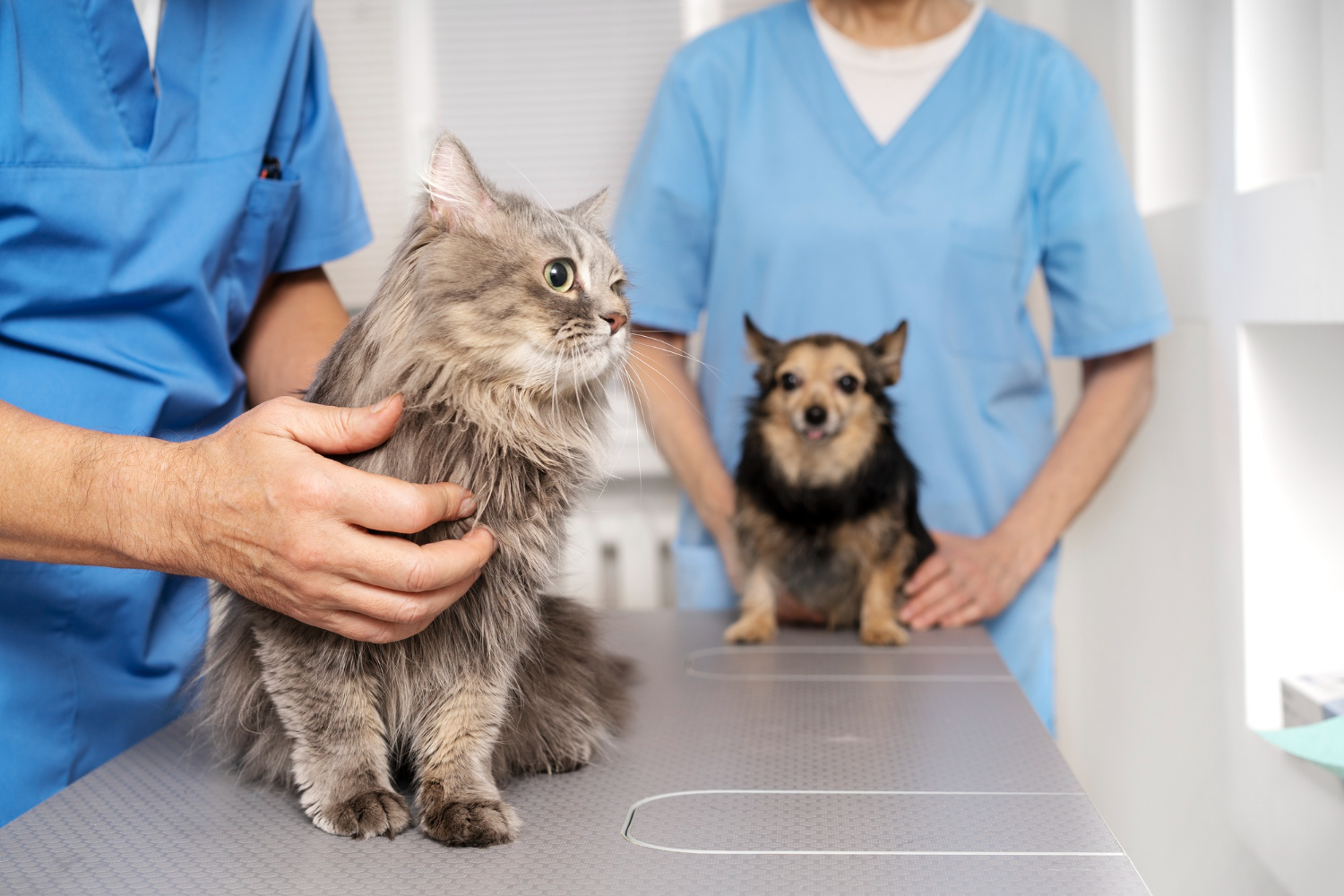
It is best to place your cat on a sturdy, well-lit table. Exams performed on the floor can be difficult and unrewarding.
A brief oral exam should only take a minute or two. Most pets are easy to work with.
If your cat growls during the exam or seems irritated, it would be wise to stop.
Check for facial swelling
Before opening your cat's mouth, examine the face for swelling, especially below the eyes.
Frequently, a broken upper fourth premolar tooth can cause an abscess that may spread below either eye.
Fractures of the upper canines (fang or eye teeth) can also cause swelling on top of the nose.
Next, gently feel around the neck below the ears. Abnormal swelling in this area can occur because of:
- Infection
- Cancer
- Inflammation
Evaluate your cat's breath
Gently pull the lips back to expose the side of your cat's teeth and gums.
If there is a foul odor, dental care is often needed.
Since cats cannot brush their own teeth, gingivitis and periodontitis are among the most common dental conditions affecting them.
Look for signs of gum disease
Pay close attention to the area where the gums meet the teeth.
Redness along the gum line may indicate:
- Inflammation
- Infection
- Trauma
In advanced cases of periodontitis, you may also notice:
- Bleeding gums
- Discharge from the gums
Treatment of gingivitis generally consists of cleaning and polishing the teeth to remove built-up plaque.
Depending on the severity of periodontal disease, surgery may also be needed to eliminate pockets that develop around the teeth.
Daily brushing is usually easy and essential for controlling gingivitis.
Examine the teeth for fractures
Unfortunately, cats sometimes chew on objects that are not tooth-friendly.
If an object is harder than the tooth itself, fractures can occur.
Broken teeth with exposed nerves will often result in infection at the tip of the tooth.
Food particles and bacteria can travel down the root and may eventually affect your cat's:
- Heart
- Liver
- Kidneys
Fractured teeth may be treated by replacing the infected nerve with filling material that seals the tooth.
Crowns can also be placed over repaired teeth for additional protection.
Check for loose teeth
Gently press on the teeth and note any movement.
Loose teeth should be reported to your veterinarian.
If your cat's teeth are not routinely brushed, periodontal disease and loose teeth can develop over time.
Bacterial by-products below the gum line destroy the bone that holds the teeth in place, leading to tooth mobility.
Eating with loose teeth can become uncomfortable.
The front incisor teeth are often affected before the back teeth.
Treatment options may be available to help save loose teeth.
Watch for cavities and painful lesions
Many cats older than five years of age develop cavities or cavity-like lesions.
These commonly occur near the gum line.
If your cat will tolerate it, gently press a cotton swab against the gum line around the outside of the teeth.
If your cat begins quivering or chattering its jaw, a painful lesion may be present.
These lesions can be very painful and should be treated appropriately.
Depending on the situation, treatment may involve:
- Filling the tooth, or
- Extracting the affected tooth
Look for abnormal growths
Oral growths may be benign or cancerous.
Some tumors develop:
- Along the gum line
- Under the tongue
- On the inside of the cheeks
Prompt veterinary attention is important, as early diagnosis and treatment may improve outcomes.
Early detection makes a difference
Monthly oral examinations can uncover hidden disease before it progresses.
The more familiar you become with your cat's normal oral health, the more likely you are to notice changes early.
If you identify anything concerning, contact your veterinarian for a more thorough examination and treatment recommendations.
In the long run, these simple monthly checks may help your cat live a longer, healthier, and happier life.